From fortified colony to living capital
As the bus climbs and descends between Upper Town and Lower Town, you travel through centuries of conflict, resilience, language, and reinvention.
Table of Contents
From Indigenous lands to New France
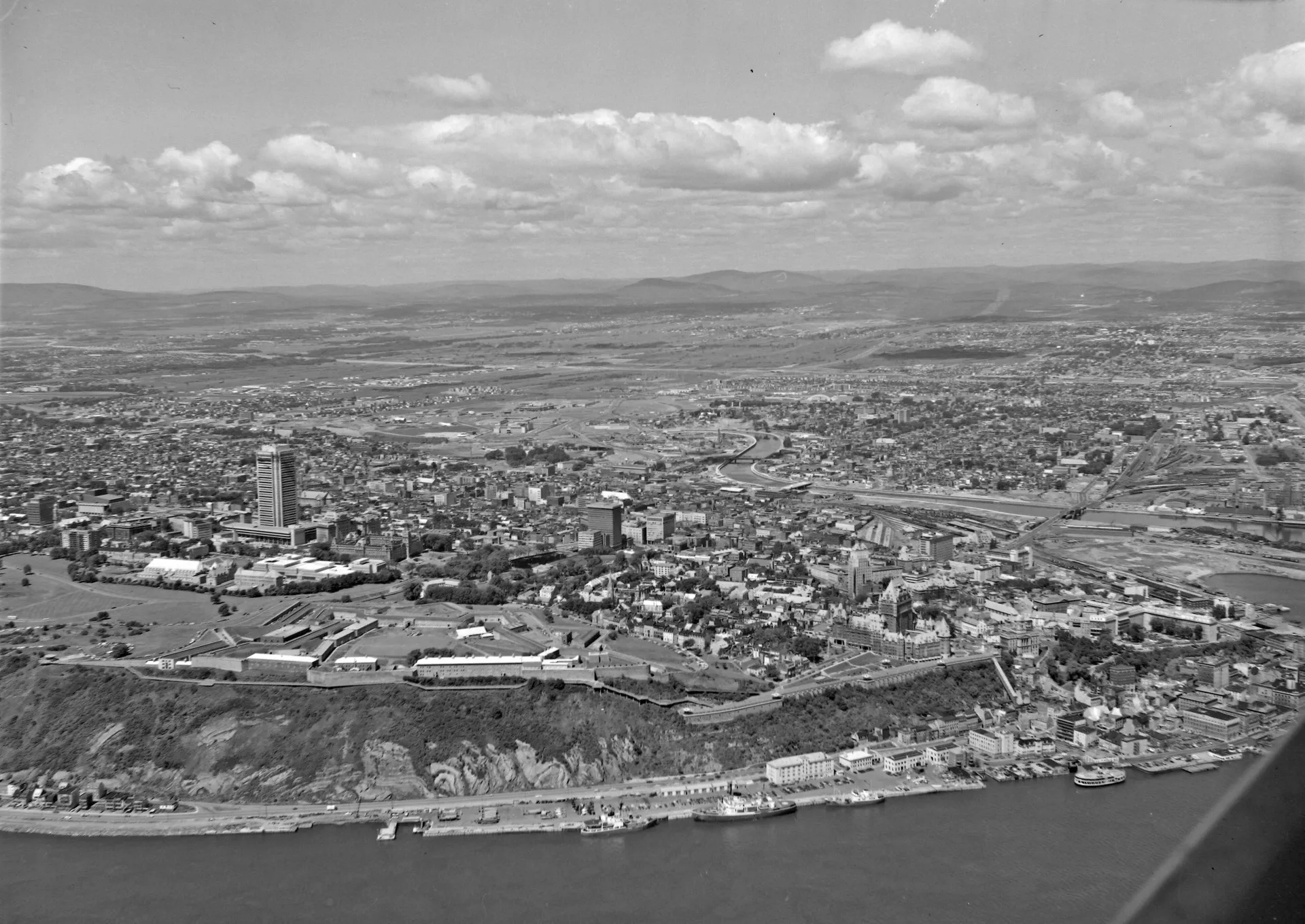
Long before stone fortifications crowned the cliffs, this territory was part of Indigenous networks of travel, trade, knowledge, and diplomacy linked by rivers and seasonal routes. The Saint Lawrence corridor was never an empty frontier. It was a living landscape shaped by communities who understood its currents, winters, wildlife cycles, and strategic crossings with remarkable precision. When French explorers and settlers arrived in the early seventeenth century, they entered an already meaningful place where geography carried deep practical and cultural significance.
In 1608, Samuel de Champlain established a settlement that would become Québec City, chosen for its commanding position above the river and its role in Atlantic commerce. Over time, wooden buildings gave way to stone, and military planning merged with religious institutions, marketplaces, and family neighborhoods. Riding the hop-on hop-off bus today, you pass streets whose names, slopes, and layouts still echo those early colonial decisions. The route is not just scenic. It is a moving timeline through encounters, alliances, rivalry, adaptation, and continuity.
Fortified Upper Town and Old Québec
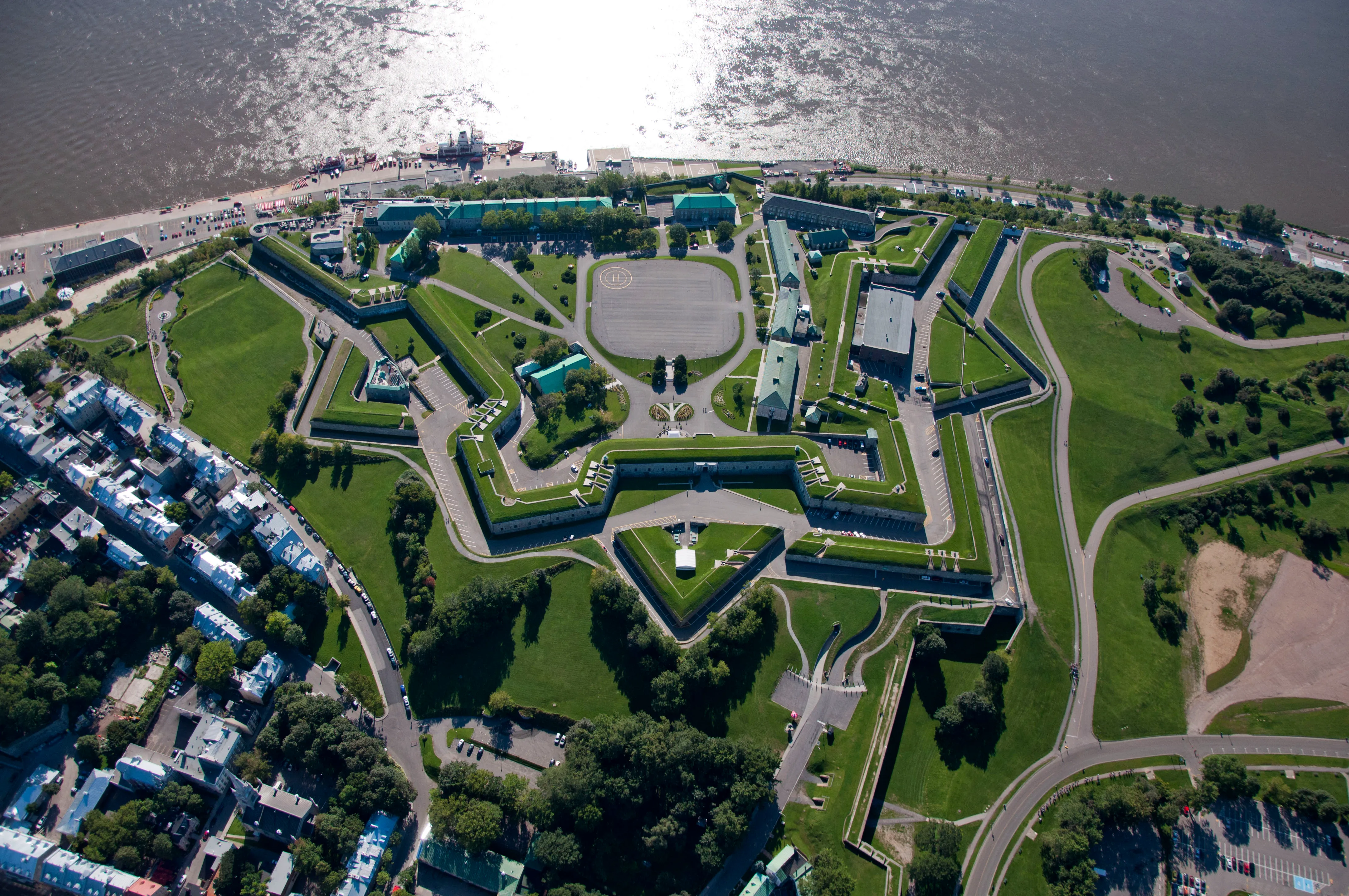
As the bus approaches Upper Town, the city’s fortified character becomes unmistakable. Bastions, gates, and defensive alignments once protected one of the most strategic urban points in North America. In this compact district, cathedrals, convent complexes, administrative buildings, and merchants’ homes rose side by side, producing a layered city where power, faith, and trade all occupied neighboring blocks. The architectural texture you see today, from steep-roofed stone houses to grand civic facades, reflects centuries of rebuilding after fire, war, and modernization.
Walking these streets after hopping off feels intimate and theatrical at once. A single lane can open from a quiet courtyard into a panoramic terrace with river views, then fold back into a cluster of bookshops and cafés. Musicians perform near public squares in summer, while winter lights and snow soften every cornice and doorway. Old Québec is not frozen history. It is a lived district where residents, artisans, students, and travelers share the same narrow routes once used by soldiers, traders, and clergy.
Port, markets, and Lower Town life
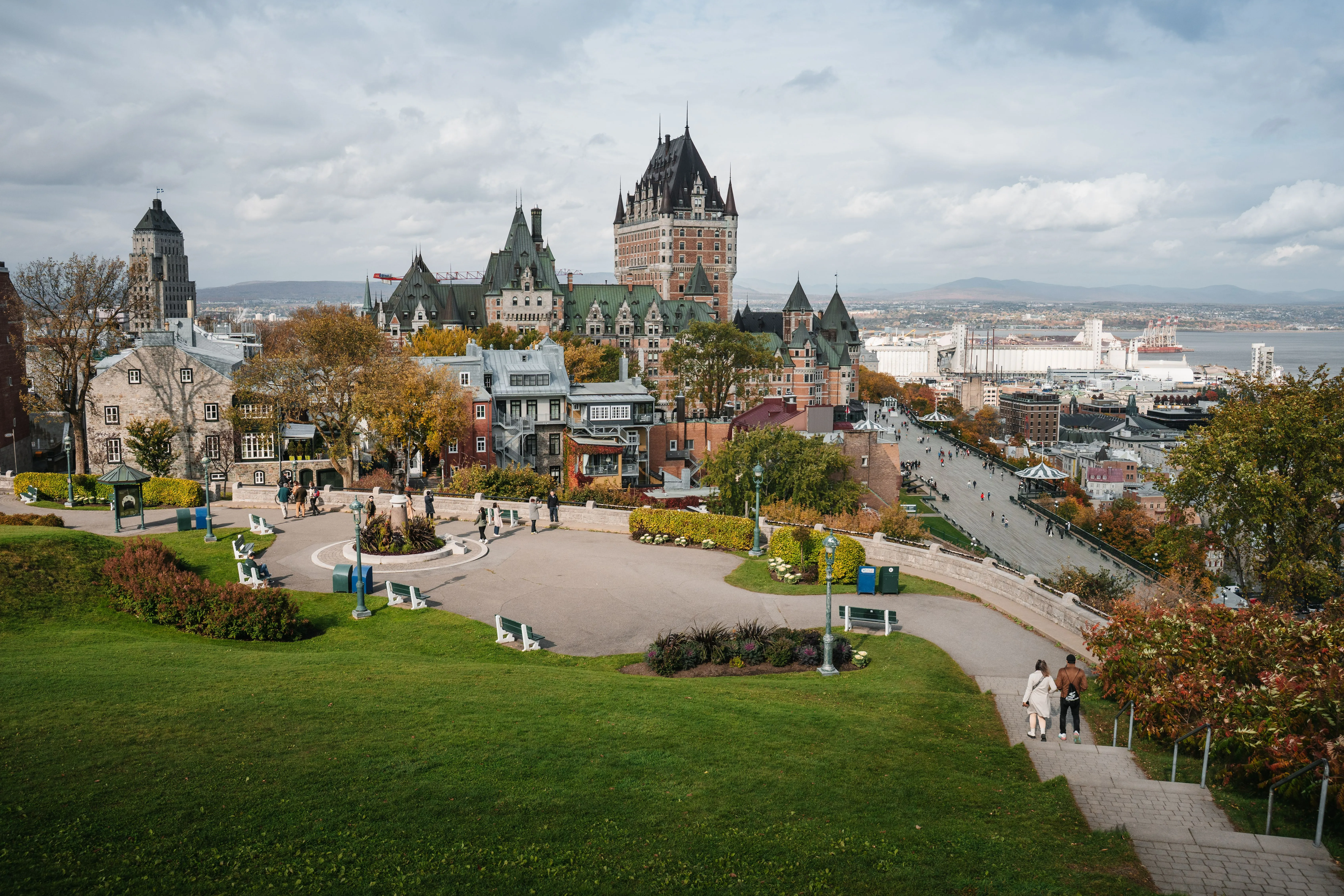
Descending toward Lower Town, you encounter the commercial pulse that sustained Québec for generations. Warehouses, docks, and merchant corridors once processed goods moving between inland territories and Atlantic routes. Timber, furs, grain, imported textiles, and everyday provisions all passed through this zone, shaping livelihoods and urban growth. The district developed a practical, hardworking identity that still resonates in its compact blocks and adaptive reuse buildings.
Today, many of those trading spaces have transformed into galleries, independent boutiques, pastry shops, and local craft stores, but the spirit of exchange remains. Hop off near Petit-Champlain or Place Royale and you can trace old logistics routes now reborn as pedestrian lanes full of music, conversation, and seasonal decorations. The bus lets you experience both layers in one day: the historic engine of commerce and the contemporary creative economy built on top of it.
Walls, gates, and military memory
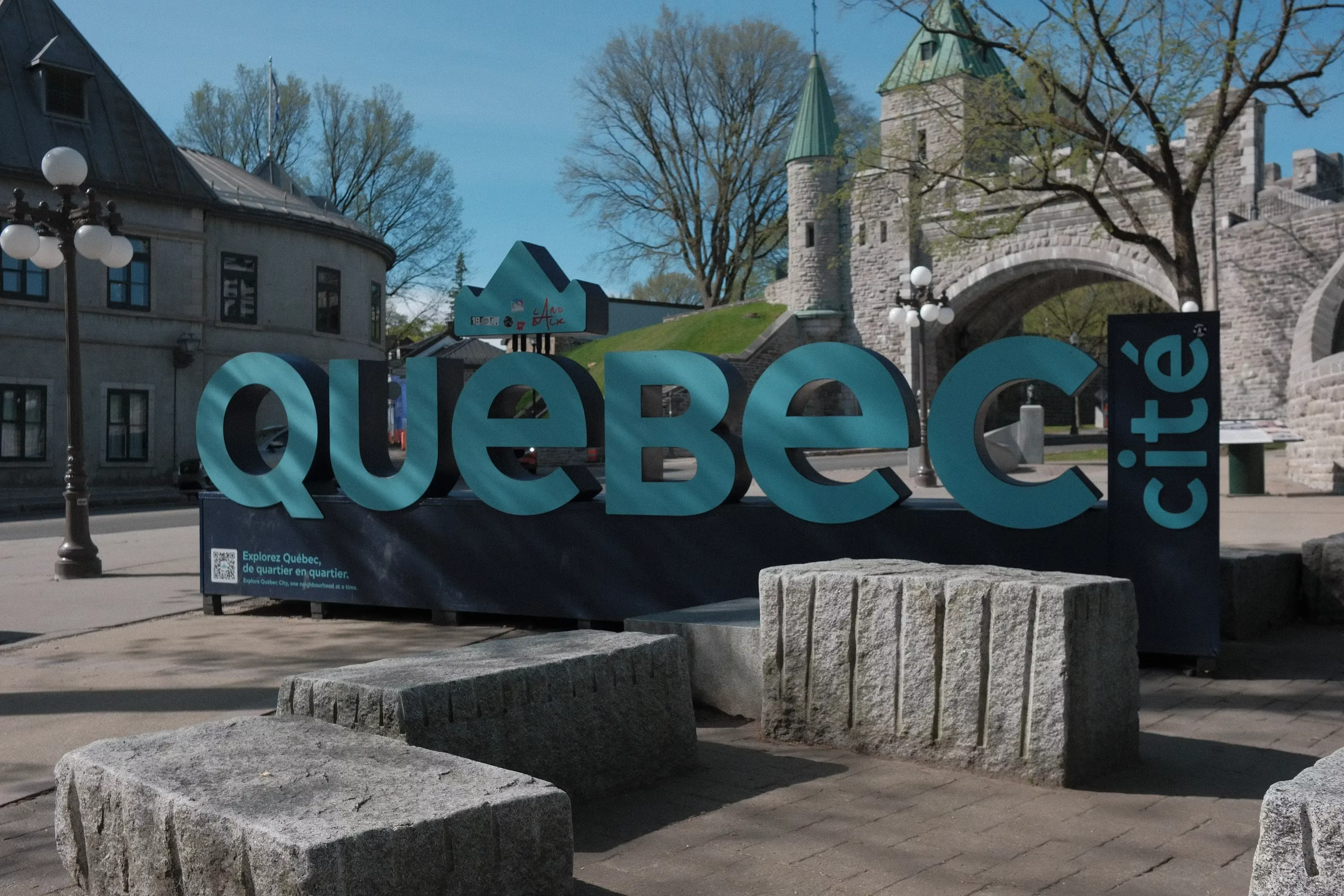
Québec City’s defensive system is one of its defining historical signatures. The walls and gates were not decorative gestures. They were strategic responses to geopolitical tension, artillery range, and control of movement between urban sectors. As military engineering evolved, so did the fortifications, producing a layered perimeter that still frames parts of the city’s identity and circulation.
From the bus, these structures appear integrated into normal daily routines: commuters pass under gates, cyclists skirt ramparts, and visitors photograph defensive lines that once marked life-or-death boundaries. Hop off near a gate and you can sense how military planning shaped urban form down to street angles and open sightlines. This continuity between past purpose and present use is one of Québec City’s most compelling historical qualities.
River power and the Saint Lawrence corridor
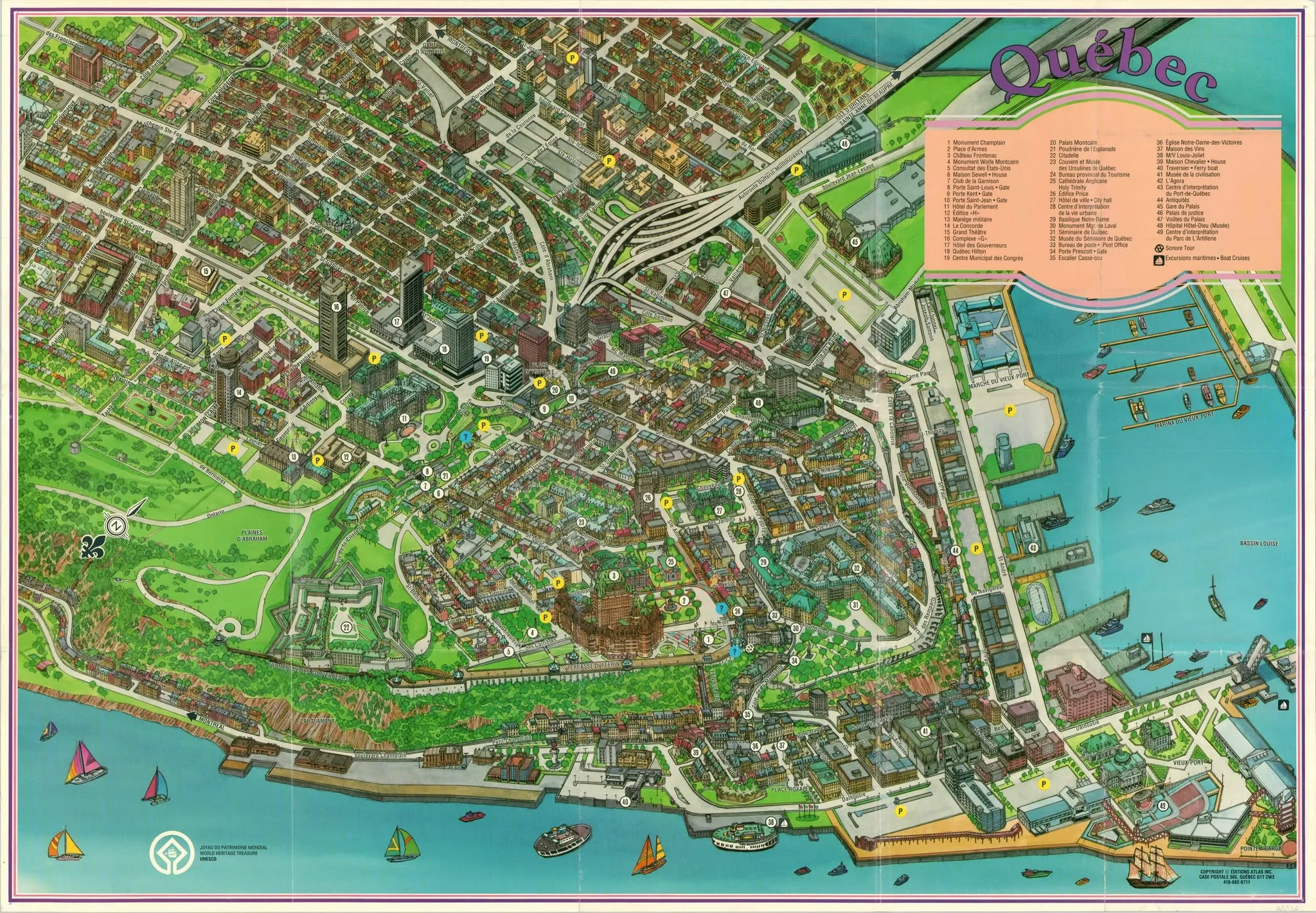
The Saint Lawrence River is more than a beautiful backdrop. It is the geographic force that explains why Québec City emerged where it did and why it remained so important for defense, trade, and governance. Control over navigation, supply lines, and port infrastructure repeatedly influenced local politics and international strategy. The river linked inland territories to global markets and carried waves of migration, materials, ideas, and institutions.
As your bus route reveals changing vantage points, you notice how neighborhoods orient toward the water even when streets turn inland. Terraces, escarpments, and lookouts reinforce the visual presence of the river in everyday life. In colder months, mist and ice textures alter the skyline dramatically, while summer light turns the corridor expansive and bright. The same waterway that once determined military and economic power now anchors tourism, leisure, and civic pride.
Parliament, culture, and civic identity
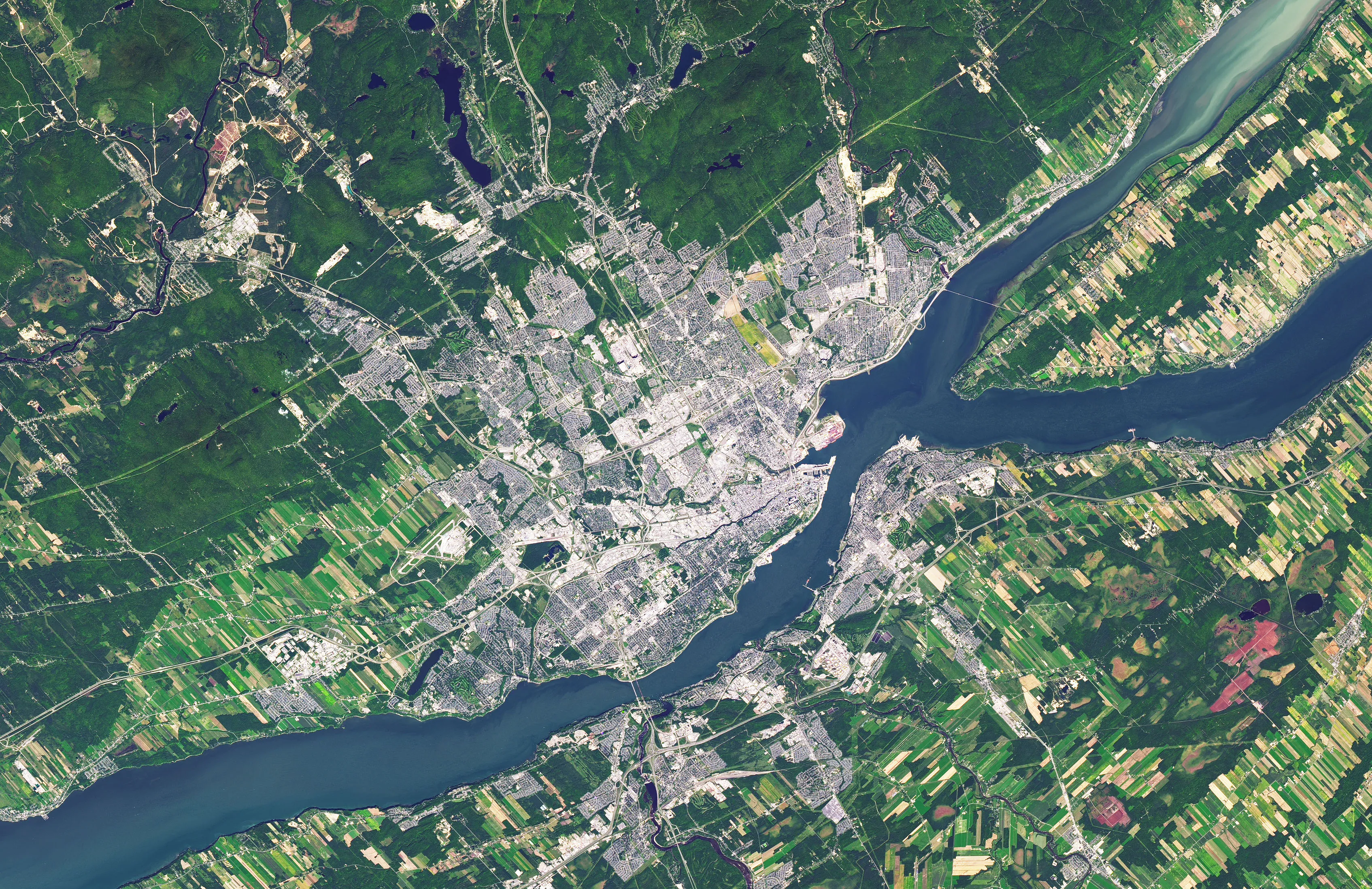
Around Parliament Hill and adjacent boulevards, Québec City presents a different face from the medieval atmosphere of Old Québec. Here, civic institutions, policy debates, public monuments, and cultural venues structure daily movement. The district embodies the city’s role not only as a heritage destination but also as a living political and administrative center within Québec.
From the upper deck, you can watch this civic landscape in motion: office workers at midday, students crossing plazas, and event installations appearing during public celebrations. Museums, performance spaces, and seasonal programming reinforce the area’s cultural importance. Hopping off here expands the narrative from colonial origins to contemporary public life, showing a city that remembers its past while actively shaping its future.
Plains of Abraham and turning points
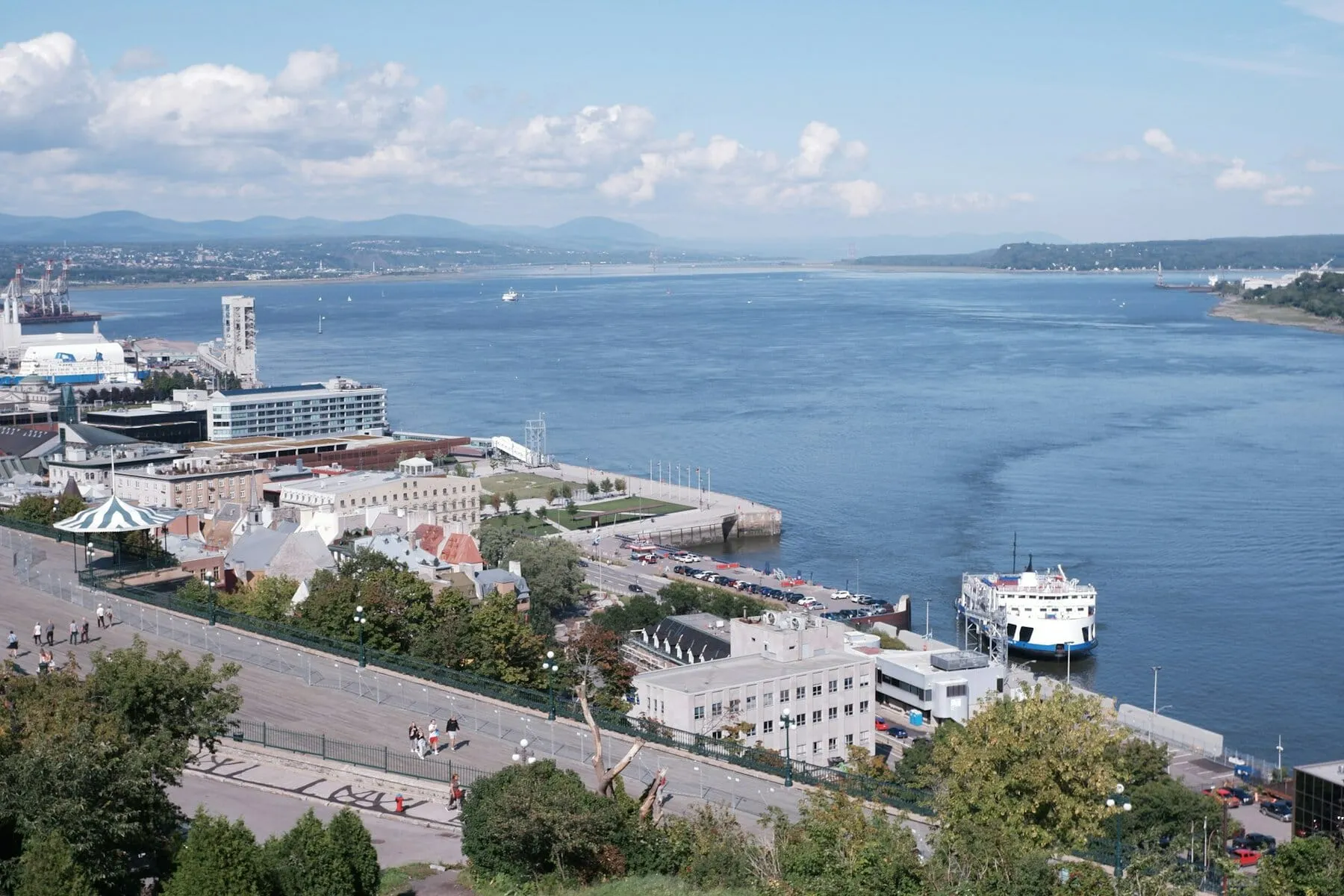
The Plains of Abraham are often experienced today as green, open, and peaceful, yet they hold one of the most consequential military memories in North American history. The 1759 battle near these heights reshaped imperial control and marked a major turning point in the struggle between British and French forces. The topography itself helps explain why this ground mattered so intensely: elevation, visibility, and access routes all carried strategic weight.
When you pass this area by bus, it can be hard to imagine cannon smoke where joggers and families now gather, but that contrast is part of the site’s emotional power. Interpretation panels, monuments, and nearby museums help bridge the distance between textbook events and lived terrain. Spending even a short stop here gives context to the broader story of language, law, governance, and identity that still shapes Québec society.
Crowds, safety, and accessibility today
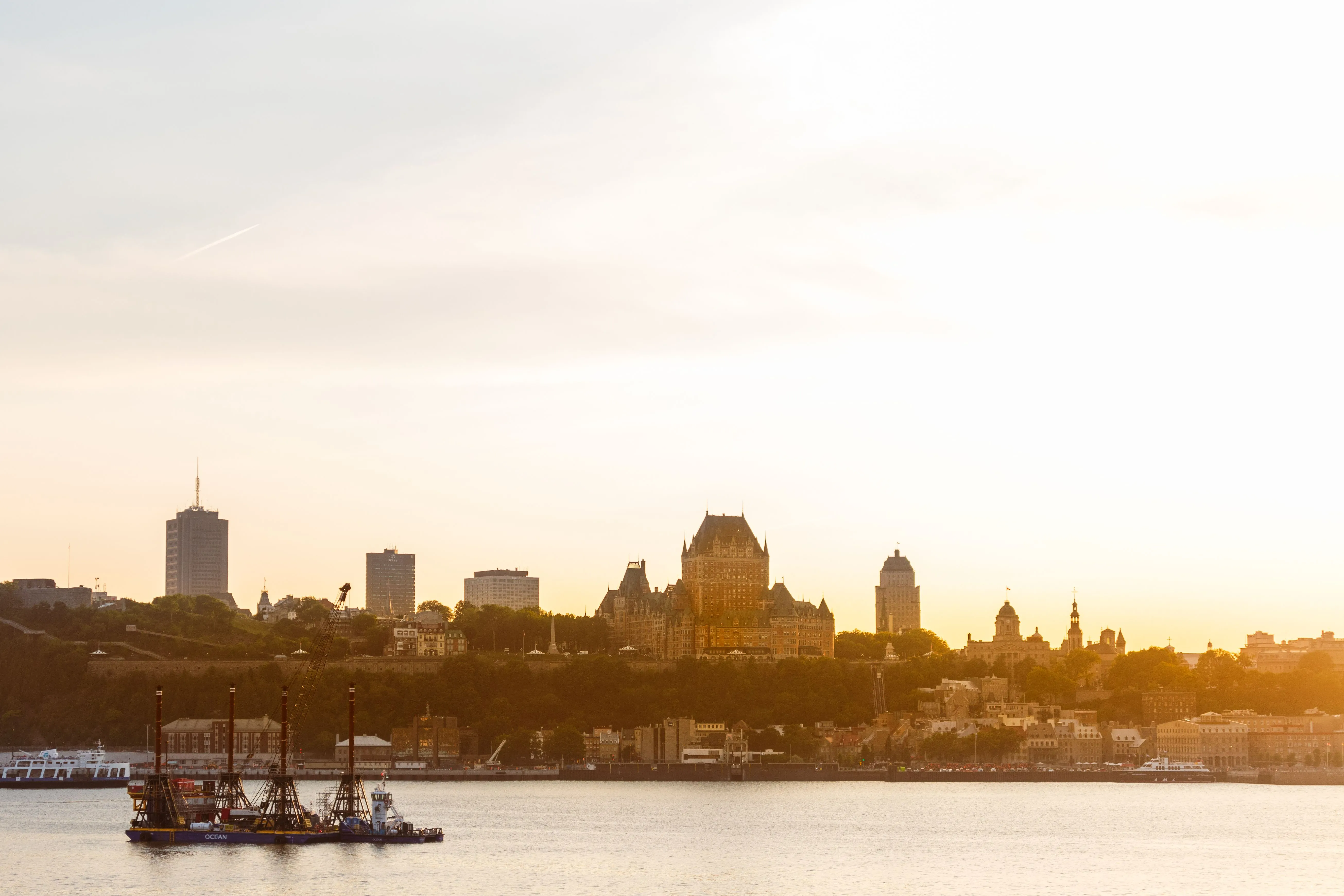
Québec City is generally easy to navigate, but visitor density rises noticeably in summer, during cruise arrivals, and around major festivals. Hop-on hop-off service helps simplify movement between key districts, reducing the need to repeatedly climb steep streets or decode multiple transit changes. Basic precautions still matter: secure valuables, watch traffic when crossing near stops, and allow extra boarding time when popular departures are full.
Accessibility has improved steadily, though conditions vary by vehicle model, stop layout, and surrounding pavement. Lower Town and old cobblestone sectors can be uneven, while upper districts may include inclines that affect comfort. Planning ahead with the operator allows travelers with mobility needs to identify the most practical boarding points and timing windows, leading to a far smoother and more enjoyable day.
Festivals, winter spirit, and local rituals

Québec City’s annual rhythm is deeply seasonal, and your bus tour can feel very different depending on when you arrive. Summer brings open-air events, music, terraces, and lively public spaces, while winter transforms streets into glowing corridors of lights, snow textures, and festive programming. Signature celebrations, from major cultural festivals to neighborhood gatherings, reveal a city that knows how to animate public space in every climate.
Even outside headline events, small local rituals add depth to the experience: morning coffee queues at independent cafés, evening strolls along illuminated walls, and weekend family outings through parks and river lookouts. Hop off for an hour and you often move from sightseeing mode into everyday city life. That shift, from observer to participant, is where many visitors say the city feels most memorable and most human.
Tickets, passes, and practical planning
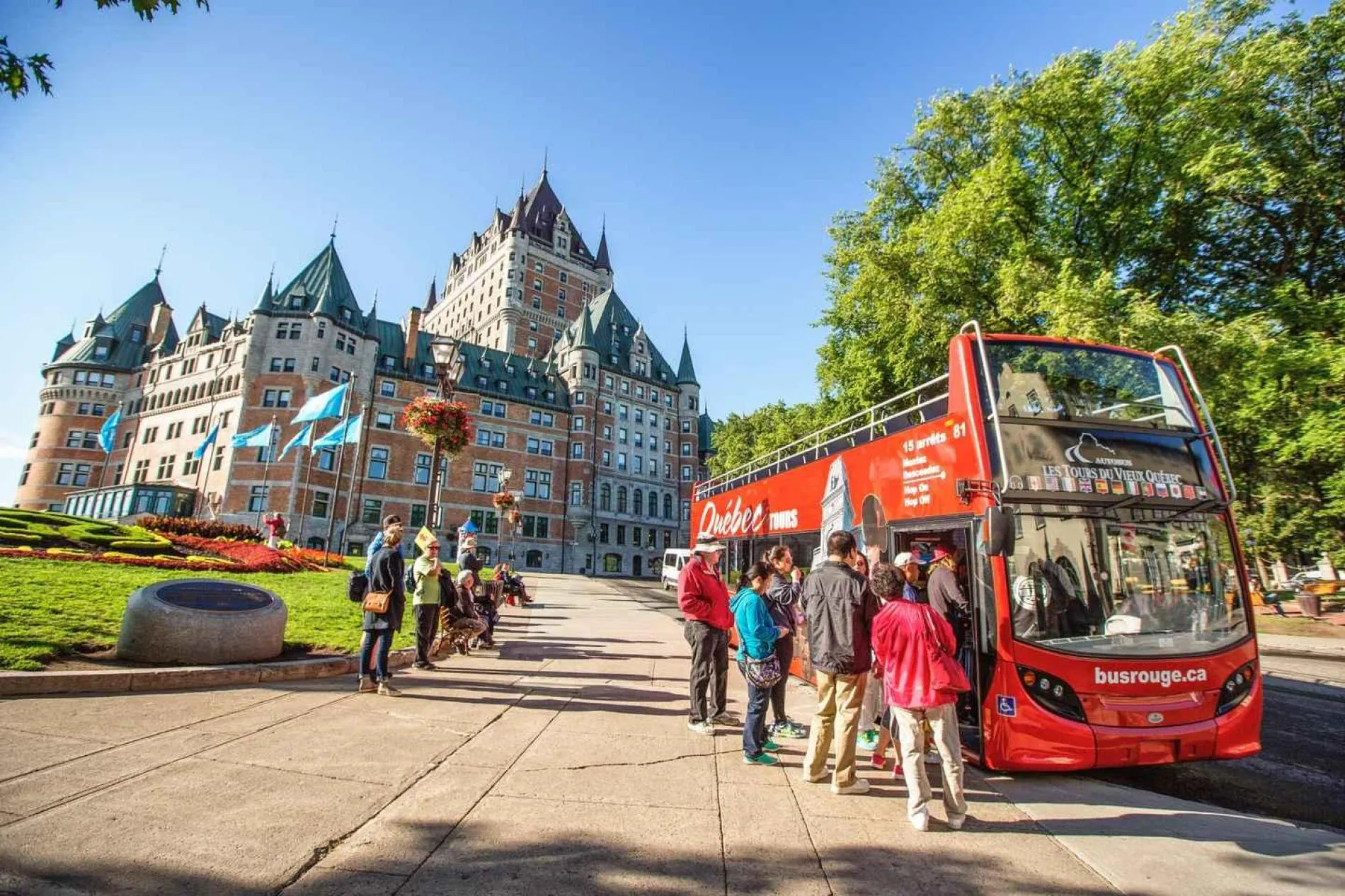
Ticket strategy matters more than most first-time visitors expect. Some passes prioritize simplicity with one clear loop and one-day validity, while others add bundled attractions or extended flexibility. Before booking, compare not only price but also stop coverage, frequency, language options, and cancellation terms. A slightly more expensive pass can deliver better value if it aligns with your real itinerary and pace.
If your stay is short, use the first loop as orientation and reserve your longest stop for the area that interests you most. If you have extra days, combine hop-on service with walking routes and selected local transit to explore beyond headline landmarks without feeling rushed. Good planning in Québec City is less about doing everything and more about sequencing well: panoramic overview first, deep exploration second, scenic ride again at the end.
Conservation in a living heritage city
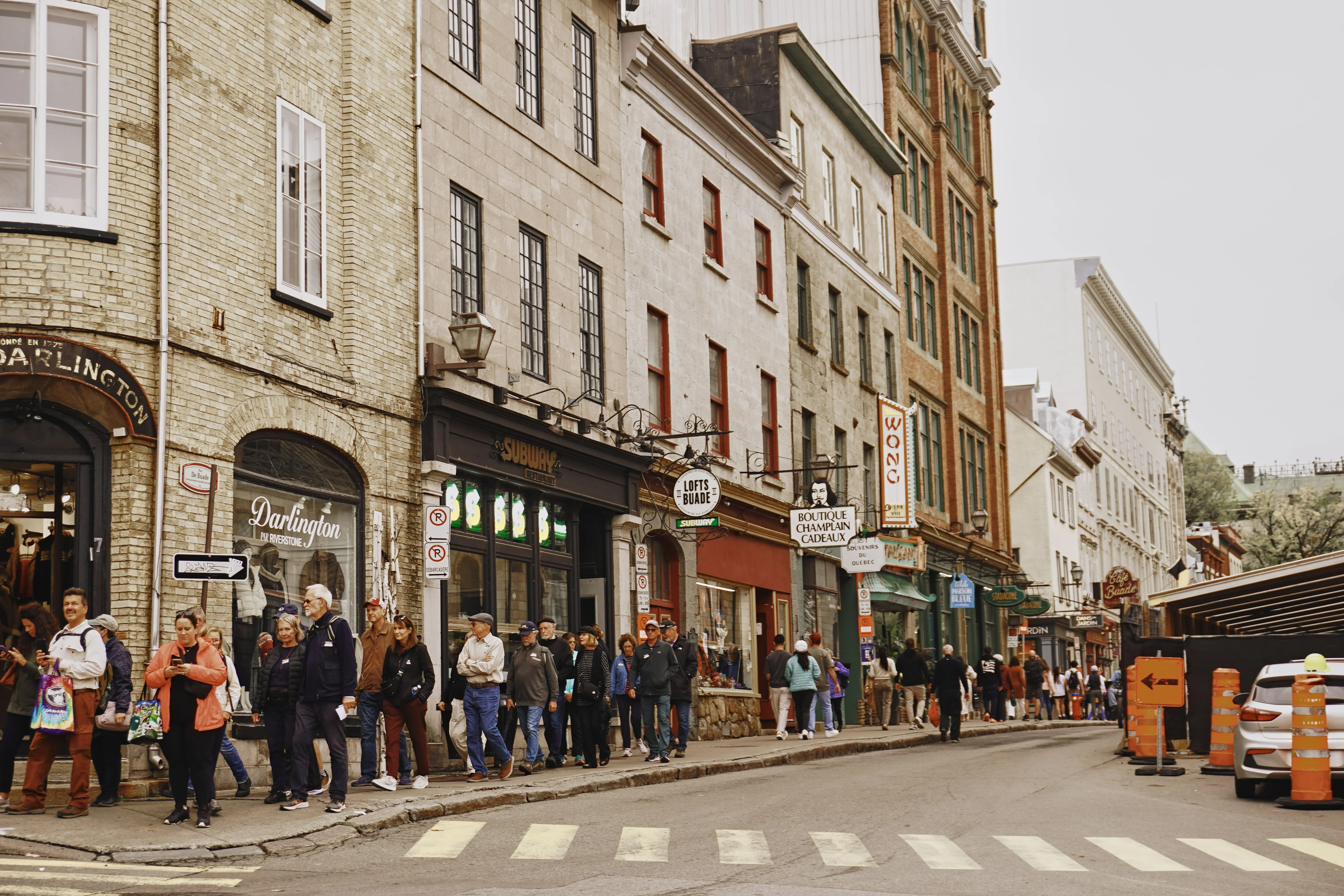
Québec City’s heritage status carries both prestige and responsibility. Conservation is an ongoing process involving masonry restoration, structural reinforcement, climate adaptation, and careful regulation of new construction within sensitive zones. The challenge is not simply preserving beautiful facades. It is sustaining the social and functional life of districts where people actually live, work, study, and raise families.
Visitors play a role in this balance. Choosing responsible services, respecting residential streets, and supporting official heritage institutions helps maintain long-term stewardship. From the bus, you can literally see this negotiation between continuity and change: restored stone next to contemporary interventions, tourism infrastructure beside everyday commerce, and public spaces designed to welcome guests without erasing local identity.
Scenic detours and river viewpoints
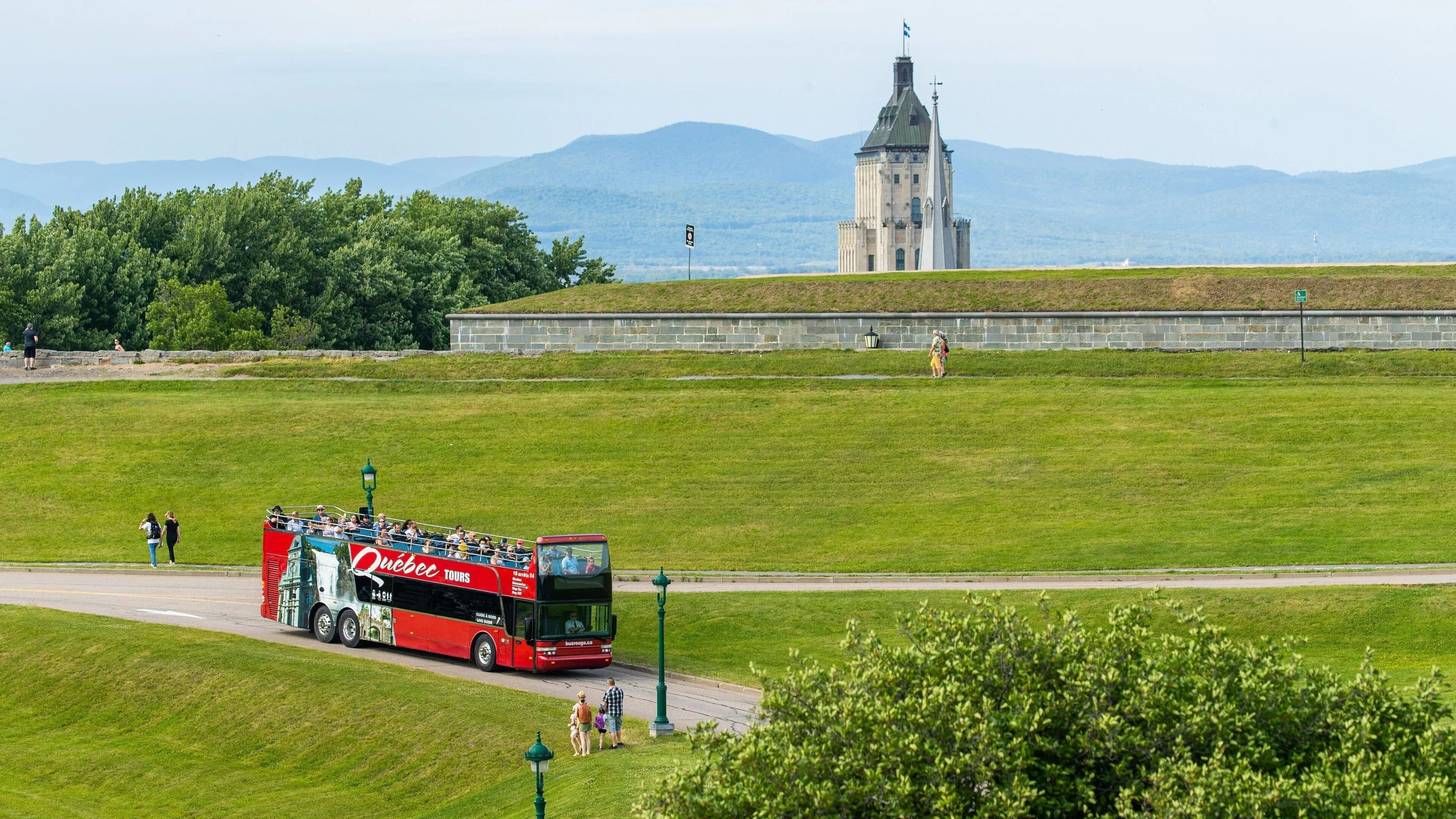
Many travelers use the hop-on hop-off line as a backbone, then add short detours for a richer day. Depending on your stop choices, you can connect to funicular access, riverside promenades, museum visits, and neighborhood walks that reveal quieter corners beyond the postcard frame. A modest change of elevation in Québec City can completely transform your perspective, opening broad views of rooftops, church towers, and the river corridor.
If your itinerary includes extra attractions nearby, combining them with bus timing can create a beautifully paced day that alternates movement and pause. Ride, explore, sit for a meal, then ride again with new context. By late afternoon, familiar landmarks look different because you now understand the city’s structure, not just its skyline.
Why a bus ride reveals Québec City
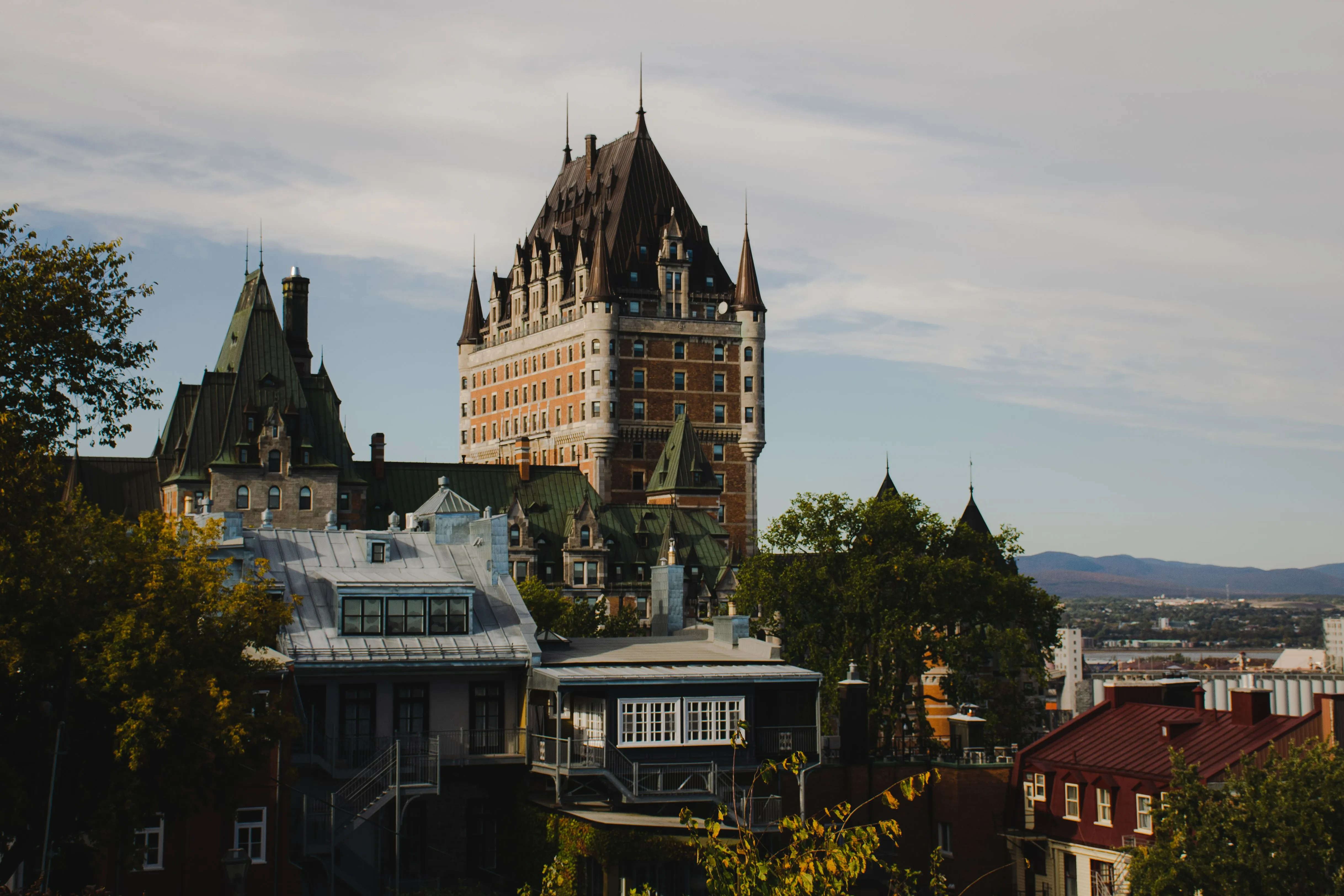
On paper, a hop-on hop-off tour looks like a practical transport solution. In Québec City, it becomes something richer: a moving vantage point where military geography, colonial architecture, civic institutions, and contemporary street life appear in one continuous narrative. In one hour, you can witness dramatic shifts in topography, language atmosphere, urban texture, and historical reference points.
By day’s end, your memory is built from both panoramic observation and close-up encounters: a terrace view from the bus, a quiet lane explored on foot, a museum stop, a park bench, a bakery queue, a final ride as evening light settles on stone walls. That alternating rhythm of overview and immersion is exactly why the format works so well here. It helps you understand not only where Québec City’s landmarks are, but why they matter to the city’s identity.
Table of Contents
From Indigenous lands to New France
Long before stone fortifications crowned the cliffs, this territory was part of Indigenous networks of travel, trade, knowledge, and diplomacy linked by rivers and seasonal routes. The Saint Lawrence corridor was never an empty frontier. It was a living landscape shaped by communities who understood its currents, winters, wildlife cycles, and strategic crossings with remarkable precision. When French explorers and settlers arrived in the early seventeenth century, they entered an already meaningful place where geography carried deep practical and cultural significance.
In 1608, Samuel de Champlain established a settlement that would become Québec City, chosen for its commanding position above the river and its role in Atlantic commerce. Over time, wooden buildings gave way to stone, and military planning merged with religious institutions, marketplaces, and family neighborhoods. Riding the hop-on hop-off bus today, you pass streets whose names, slopes, and layouts still echo those early colonial decisions. The route is not just scenic. It is a moving timeline through encounters, alliances, rivalry, adaptation, and continuity.
Fortified Upper Town and Old Québec
As the bus approaches Upper Town, the city’s fortified character becomes unmistakable. Bastions, gates, and defensive alignments once protected one of the most strategic urban points in North America. In this compact district, cathedrals, convent complexes, administrative buildings, and merchants’ homes rose side by side, producing a layered city where power, faith, and trade all occupied neighboring blocks. The architectural texture you see today, from steep-roofed stone houses to grand civic facades, reflects centuries of rebuilding after fire, war, and modernization.
Walking these streets after hopping off feels intimate and theatrical at once. A single lane can open from a quiet courtyard into a panoramic terrace with river views, then fold back into a cluster of bookshops and cafés. Musicians perform near public squares in summer, while winter lights and snow soften every cornice and doorway. Old Québec is not frozen history. It is a lived district where residents, artisans, students, and travelers share the same narrow routes once used by soldiers, traders, and clergy.
Port, markets, and Lower Town life
Descending toward Lower Town, you encounter the commercial pulse that sustained Québec for generations. Warehouses, docks, and merchant corridors once processed goods moving between inland territories and Atlantic routes. Timber, furs, grain, imported textiles, and everyday provisions all passed through this zone, shaping livelihoods and urban growth. The district developed a practical, hardworking identity that still resonates in its compact blocks and adaptive reuse buildings.
Today, many of those trading spaces have transformed into galleries, independent boutiques, pastry shops, and local craft stores, but the spirit of exchange remains. Hop off near Petit-Champlain or Place Royale and you can trace old logistics routes now reborn as pedestrian lanes full of music, conversation, and seasonal decorations. The bus lets you experience both layers in one day: the historic engine of commerce and the contemporary creative economy built on top of it.
Walls, gates, and military memory
Québec City’s defensive system is one of its defining historical signatures. The walls and gates were not decorative gestures. They were strategic responses to geopolitical tension, artillery range, and control of movement between urban sectors. As military engineering evolved, so did the fortifications, producing a layered perimeter that still frames parts of the city’s identity and circulation.
From the bus, these structures appear integrated into normal daily routines: commuters pass under gates, cyclists skirt ramparts, and visitors photograph defensive lines that once marked life-or-death boundaries. Hop off near a gate and you can sense how military planning shaped urban form down to street angles and open sightlines. This continuity between past purpose and present use is one of Québec City’s most compelling historical qualities.
River power and the Saint Lawrence corridor
The Saint Lawrence River is more than a beautiful backdrop. It is the geographic force that explains why Québec City emerged where it did and why it remained so important for defense, trade, and governance. Control over navigation, supply lines, and port infrastructure repeatedly influenced local politics and international strategy. The river linked inland territories to global markets and carried waves of migration, materials, ideas, and institutions.
As your bus route reveals changing vantage points, you notice how neighborhoods orient toward the water even when streets turn inland. Terraces, escarpments, and lookouts reinforce the visual presence of the river in everyday life. In colder months, mist and ice textures alter the skyline dramatically, while summer light turns the corridor expansive and bright. The same waterway that once determined military and economic power now anchors tourism, leisure, and civic pride.
Parliament, culture, and civic identity
Around Parliament Hill and adjacent boulevards, Québec City presents a different face from the medieval atmosphere of Old Québec. Here, civic institutions, policy debates, public monuments, and cultural venues structure daily movement. The district embodies the city’s role not only as a heritage destination but also as a living political and administrative center within Québec.
From the upper deck, you can watch this civic landscape in motion: office workers at midday, students crossing plazas, and event installations appearing during public celebrations. Museums, performance spaces, and seasonal programming reinforce the area’s cultural importance. Hopping off here expands the narrative from colonial origins to contemporary public life, showing a city that remembers its past while actively shaping its future.
Plains of Abraham and turning points
The Plains of Abraham are often experienced today as green, open, and peaceful, yet they hold one of the most consequential military memories in North American history. The 1759 battle near these heights reshaped imperial control and marked a major turning point in the struggle between British and French forces. The topography itself helps explain why this ground mattered so intensely: elevation, visibility, and access routes all carried strategic weight.
When you pass this area by bus, it can be hard to imagine cannon smoke where joggers and families now gather, but that contrast is part of the site’s emotional power. Interpretation panels, monuments, and nearby museums help bridge the distance between textbook events and lived terrain. Spending even a short stop here gives context to the broader story of language, law, governance, and identity that still shapes Québec society.
Crowds, safety, and accessibility today
Québec City is generally easy to navigate, but visitor density rises noticeably in summer, during cruise arrivals, and around major festivals. Hop-on hop-off service helps simplify movement between key districts, reducing the need to repeatedly climb steep streets or decode multiple transit changes. Basic precautions still matter: secure valuables, watch traffic when crossing near stops, and allow extra boarding time when popular departures are full.
Accessibility has improved steadily, though conditions vary by vehicle model, stop layout, and surrounding pavement. Lower Town and old cobblestone sectors can be uneven, while upper districts may include inclines that affect comfort. Planning ahead with the operator allows travelers with mobility needs to identify the most practical boarding points and timing windows, leading to a far smoother and more enjoyable day.
Festivals, winter spirit, and local rituals
Québec City’s annual rhythm is deeply seasonal, and your bus tour can feel very different depending on when you arrive. Summer brings open-air events, music, terraces, and lively public spaces, while winter transforms streets into glowing corridors of lights, snow textures, and festive programming. Signature celebrations, from major cultural festivals to neighborhood gatherings, reveal a city that knows how to animate public space in every climate.
Even outside headline events, small local rituals add depth to the experience: morning coffee queues at independent cafés, evening strolls along illuminated walls, and weekend family outings through parks and river lookouts. Hop off for an hour and you often move from sightseeing mode into everyday city life. That shift, from observer to participant, is where many visitors say the city feels most memorable and most human.
Tickets, passes, and practical planning
Ticket strategy matters more than most first-time visitors expect. Some passes prioritize simplicity with one clear loop and one-day validity, while others add bundled attractions or extended flexibility. Before booking, compare not only price but also stop coverage, frequency, language options, and cancellation terms. A slightly more expensive pass can deliver better value if it aligns with your real itinerary and pace.
If your stay is short, use the first loop as orientation and reserve your longest stop for the area that interests you most. If you have extra days, combine hop-on service with walking routes and selected local transit to explore beyond headline landmarks without feeling rushed. Good planning in Québec City is less about doing everything and more about sequencing well: panoramic overview first, deep exploration second, scenic ride again at the end.
Conservation in a living heritage city
Québec City’s heritage status carries both prestige and responsibility. Conservation is an ongoing process involving masonry restoration, structural reinforcement, climate adaptation, and careful regulation of new construction within sensitive zones. The challenge is not simply preserving beautiful facades. It is sustaining the social and functional life of districts where people actually live, work, study, and raise families.
Visitors play a role in this balance. Choosing responsible services, respecting residential streets, and supporting official heritage institutions helps maintain long-term stewardship. From the bus, you can literally see this negotiation between continuity and change: restored stone next to contemporary interventions, tourism infrastructure beside everyday commerce, and public spaces designed to welcome guests without erasing local identity.
Scenic detours and river viewpoints
Many travelers use the hop-on hop-off line as a backbone, then add short detours for a richer day. Depending on your stop choices, you can connect to funicular access, riverside promenades, museum visits, and neighborhood walks that reveal quieter corners beyond the postcard frame. A modest change of elevation in Québec City can completely transform your perspective, opening broad views of rooftops, church towers, and the river corridor.
If your itinerary includes extra attractions nearby, combining them with bus timing can create a beautifully paced day that alternates movement and pause. Ride, explore, sit for a meal, then ride again with new context. By late afternoon, familiar landmarks look different because you now understand the city’s structure, not just its skyline.
Why a bus ride reveals Québec City
On paper, a hop-on hop-off tour looks like a practical transport solution. In Québec City, it becomes something richer: a moving vantage point where military geography, colonial architecture, civic institutions, and contemporary street life appear in one continuous narrative. In one hour, you can witness dramatic shifts in topography, language atmosphere, urban texture, and historical reference points.
By day’s end, your memory is built from both panoramic observation and close-up encounters: a terrace view from the bus, a quiet lane explored on foot, a museum stop, a park bench, a bakery queue, a final ride as evening light settles on stone walls. That alternating rhythm of overview and immersion is exactly why the format works so well here. It helps you understand not only where Québec City’s landmarks are, but why they matter to the city’s identity.